











Every dog and cat sheds. Loose fur is part of how a healthy coat renews itself, and the amount varies with breed, coat type, season and indoor heating. You cannot switch shedding off, but you can decide where the fur ends up. A simple two-step routine does most of the work: remove loose hair at the source, then lift what escapes from the places you live in.
Why pets shed more at certain times
Many dogs and cats shed more heavily in spring and fall as their coats adjust to the change in daylight and temperature. Double-coated breeds, such as huskies, shepherds and many long-haired cats, carry a soft undercoat that releases in larger amounts during these periods. Indoor pets can shed steadily all year because the temperature at home stays fairly constant.
If shedding changes suddenly, or you notice bald patches, redness or constant scratching, it is worth asking your veterinarian. Grooming tools manage normal shedding; they are not a substitute for a professional check.
Step 1: Brush loose fur out at the source
Every hair you collect on a brush is one less hair on your sofa. Short, regular sessions are easier on your pet than an occasional marathon.
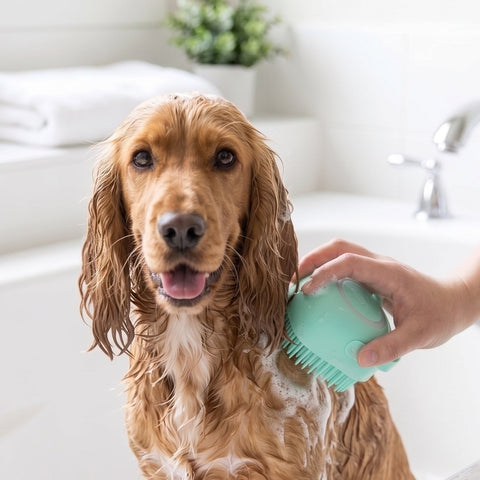
- Short, smooth coats: a rubber or silicone grooming glove lifts loose hair while feeling like a stroke. Many pets accept it faster than a brush.
- Medium and long coats: a slicker brush works through the top coat, and a self-cleaning design makes it quick to clear the pins.
- Thick undercoats: a deshedding tool or undercoat rake reaches the soft layer underneath. Use light pressure and short strokes in the direction the coat grows.
- Pets that dislike brushing: a grooming vacuum kit collects fur as you brush, which keeps the mess off the floor. Introduce the sound gradually and reward calm behavior.
How often? For most pets, two or three short sessions a week are a good starting point, with daily brushing during heavy shedding seasons. Stop before your pet gets restless, and finish on a good note.
Step 2: Lift what escapes around the home
Even with good brushing, some fur will settle on fabric and floors. Matching the tool to the surface saves time.
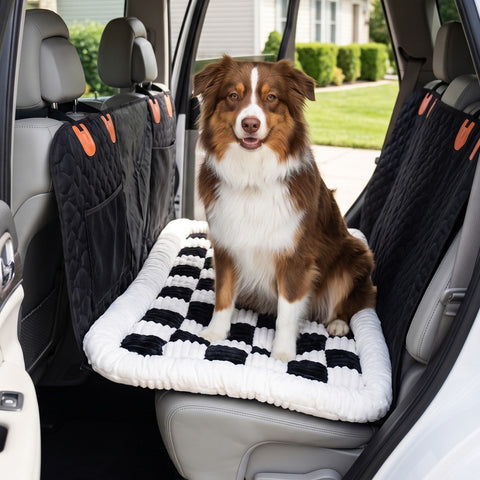
- Sofas, beds and car seats: a reusable pet hair roller or hair remover brush gathers fur into a compartment you can empty, with no sticky sheets to throw away.
- Clothes before you head out: a sticky lint roller is still the quickest option for a last-minute pass.
- Rugs and hard floors: a silicone broom pulls fur out of carpet fibers and pushes it into easy-to-collect piles.
- Laundry: reusable hair catchers in the washer and dryer help collect loose fur from blankets and pet bedding.
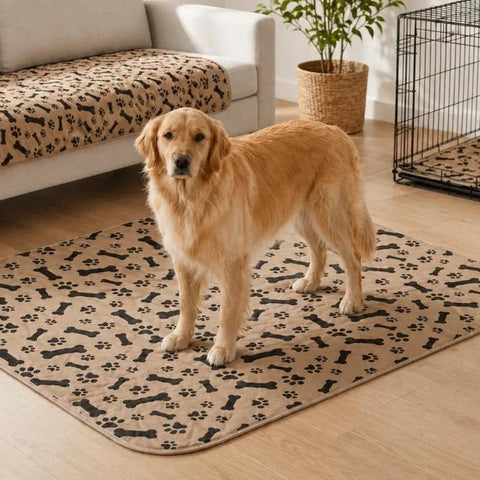
- Favorite nap spots: a washable couch cover protects the fabric underneath and goes straight into the machine.
A weekly routine that keeps fur under control
- Two or three times a week: brush your pet for five to ten minutes with the right tool for their coat.
- Daily, in two minutes: run a roller over the sofa cushion or bed where your pet naps most.
- Once a week: wash pet bedding and couch covers, and sweep rugs with a silicone broom.
- Before guests or trips: give the car seat and your clothes a quick pass with a lint roller.
Frequently asked questions
Can I stop my dog or cat from shedding?
No. Shedding is a natural process. Regular brushing reduces how much loose fur ends up around your home, but it does not stop the coat from renewing itself.
Is it better to bathe my pet more often to reduce shedding?
Bathing too often can dry out skin and coat. Follow the bathing frequency your veterinarian or groomer recommends for your pet's breed, and rely on brushing for day-to-day fur control.
Which tool should I buy first?
Start with one brush that suits your pet's coat and one reusable roller for the spot where they nap most. Those two cover the biggest share of the problem.
Browse the full range of brushes, rollers and covers in our Shedding & Pet Hair collection, or explore more tools in Grooming & Care.