

Slow feeders, lick mats and snuffle mats all turn mealtime into more of an activity, but they work in different ways. The right choice depends on what your pet eats, how they like to eat and how much time you want to spend on cleanup. This guide explains the differences so you can pick with confidence.
Why use a slow feeder or enrichment feeder?
Some pets finish a bowl of kibble in seconds. Feeders with ridges, mazes or textured surfaces make them sniff, lick and nudge food out a little at a time. Many owners use them to make meals last longer and to give their pet a small daily task to focus on.
If your pet has a medical condition, eats very quickly or shows discomfort after meals, speak with your veterinarian about the feeding approach that suits them. A feeder is a helpful tool, not a treatment.
The main types at a glance
Slow feeder bowls
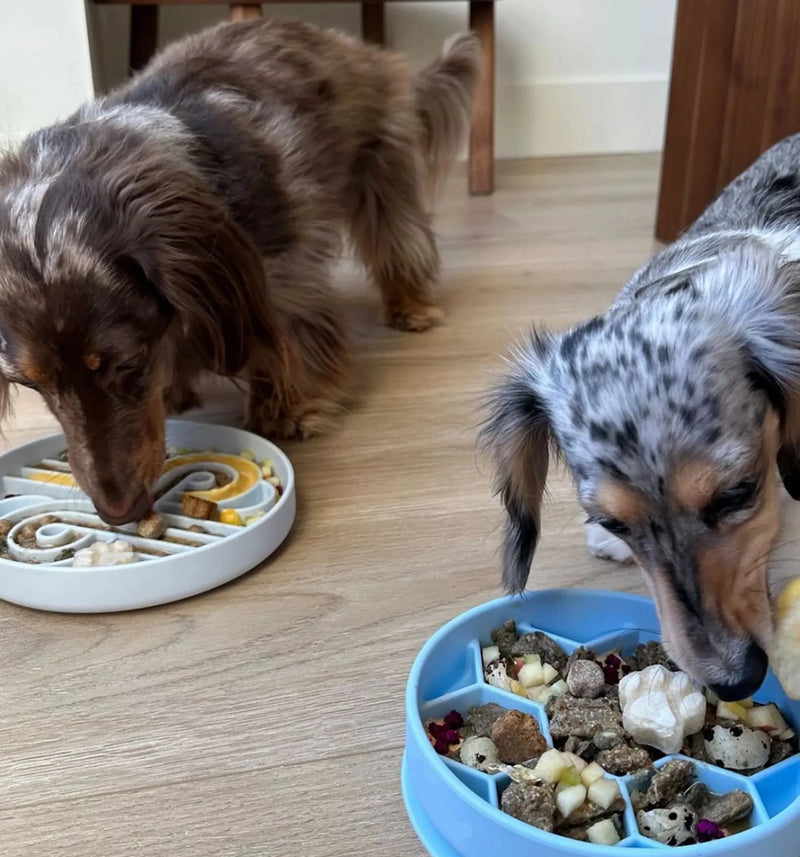
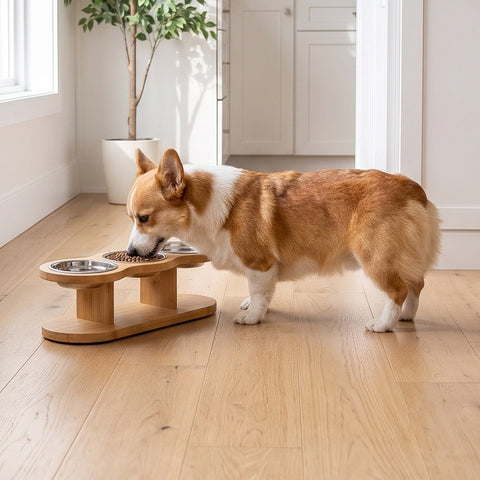
Slow feeder bowls have raised ridges, honeycomb cells or maze patterns molded into the base. Food settles between the walls, so your pet has to work around them.
- Best for: dry kibble at everyday meals.
- Good to know: start with a simpler pattern and move to a more complex maze once your pet gets the idea.
Lick mats and lick bowls
Lick mats are flat, textured pads, and lick bowls add a raised rim or dome. You spread soft food across the surface, and your pet licks it out of the grooves.
- Best for: wet food, spreadable treats and pet-safe purees.
- Good to know: suction-cup bases grip smooth floors, tiles and bathtub walls, which is useful during baths and nail trims.
Snuffle mats and snuffle balls
Snuffle mats are made of fleece strips. You scatter kibble or small treats into the fabric, and your pet uses their nose to find each piece.
- Best for: dry food and small treats, and pets who love to sniff.
- Good to know: choose a washable design and shake out crumbs after each use.
Treat dispenser toys
Treat dispensers release kibble as your pet rolls, spins or pushes the toy. They blend feeding with play.
- Best for: part of a daily food allowance or a few treats during playtime.
- Good to know: they work best on open floor space where the toy can move freely.
How to choose in three questions
- What does your pet eat? Dry food suits slow feeder bowls, snuffle mats and dispensers. Wet or spreadable food suits lick mats and lick bowls.
- How experienced are they? Start easy. A pet that gets frustrated may walk away, so build up the difficulty slowly.
- How will you clean it? Check whether the feeder separates for rinsing, and whether a brush is needed for narrow grooves.
Tips for a smooth introduction
- Offer the new feeder with a small portion first, and praise your pet when they engage with it.
- Keep portions the same as usual. The goal is to change how your pet eats, not how much.
- Supervise your pet with any new feeder or toy, and replace it if it becomes damaged.
- Wash feeders after each use so leftover food does not build up in the grooves.
Frequently asked questions
Can I use a slow feeder for every meal?
Many owners do. If your pet seems frustrated, alternate between the slow feeder and a regular bowl while they adjust.
Are lick mats suitable for cats?
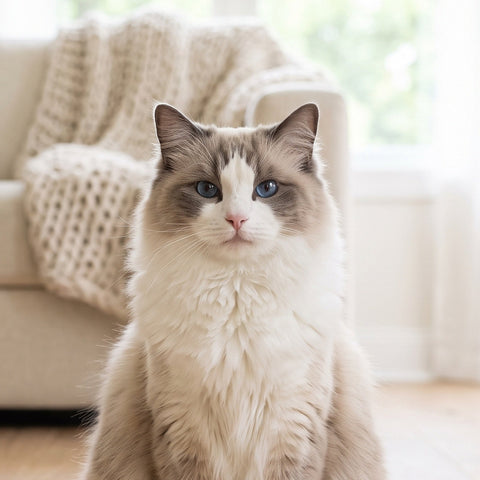
Yes. Many lick mats and lick bowls are sized for cats and small dogs. Choose a shallow pattern so your cat can reach the food comfortably.
How do I clean a snuffle mat?
Shake out crumbs after each use and follow the washing instructions for the specific mat. Let it dry fully before the next use.
Compare bowls, lick mats and snuffle mats in our Slow Feeders & Enrichment collection, or browse everyday bowls in Feeding & Bowls.